Pimlico parking suspension rules: do you need a permit?
Posted on 04/07/2026
If you are planning a move, a delivery, or a bulky pickup in Pimlico, the big question is often simple: do you need a permit for a parking suspension, or can you just turn up and hope for the best? Truth be told, hoping is a poor strategy here. Pimlico streets can be tight, bays can be busy, and one missed detail can turn an otherwise smooth day into a very expensive headache.
This guide breaks down Pimlico parking suspension rules: do you need a permit? in plain English. We will look at when suspensions matter, how they usually work, why they are used, and what to check before moving day. You will also find practical steps, common mistakes, and a realistic checklist so you can plan with a bit less stress. If you are arranging a removal, it may also help to browse related local guidance such as how to avoid Westminster Council parking fines during moves and Westminster Council permits for Pimlico street moves.
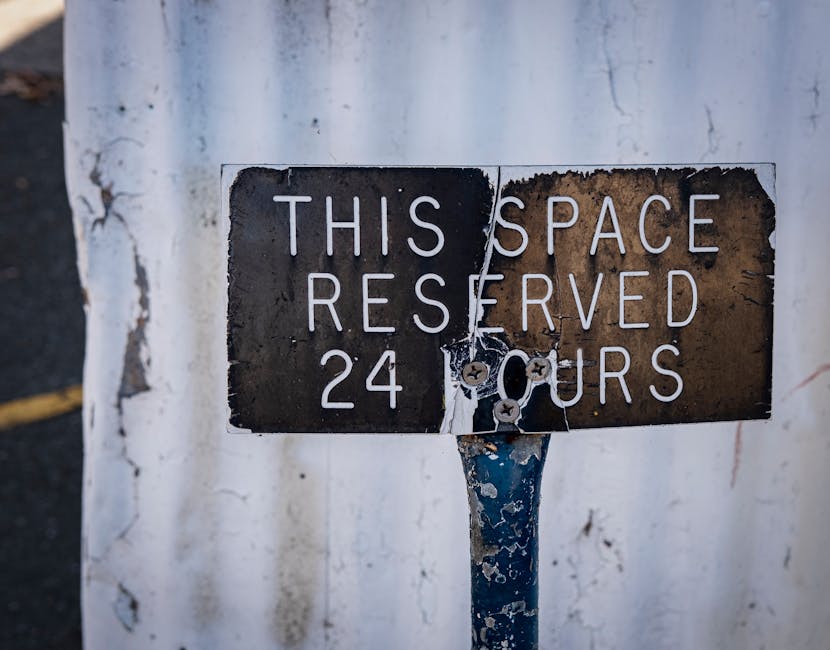
Why Pimlico parking suspension rules: do you need a permit? Matters
Pimlico is not one of those places where you can casually stop a van, unload a sofa, and assume everything will be fine. Streets are often narrow, residents rely on limited kerb space, and enforcement can be unforgiving if you park somewhere that is not available for your vehicle size or purpose. That is why parking suspensions matter. They reserve a bay or stretch of road for a specific use, usually for a specific period, so a removal truck or van can work without constant shuffling.
For anyone moving home, this can be the difference between a calm, organised day and a slightly chaotic one where someone is circling the block with the boot open. You know the scene: boxes at the doorway, the kettle packed away, and the clock ticking while the driver looks for a legal space. Not ideal.
The permit question matters because a suspension is not always automatic. In some cases, a parking suspension request may be needed before a bay is reserved. In other cases, the council may handle the suspension itself after review, but the person booking the move still needs to make sure the request is made properly and in time. If you skip this step, you may find the bay is occupied, the vehicle cannot stop, or worse, a penalty notice appears on the windscreen. Nobody wants that on moving day.
Key takeaway: In Pimlico, parking suspensions are a practical planning tool, not a nice-to-have. If your van, lorry, or delivery needs dedicated roadside space, assume you should check permit and suspension requirements early rather than late.
This is especially relevant if you are arranging a full house move, a flat move, or a time-sensitive job. A small planning mistake can affect the whole chain. If you are still comparing move types, the overview at services overview and the page for removals in Pimlico can help you match the service to the parking setup.
How Pimlico parking suspension rules: do you need a permit? Works
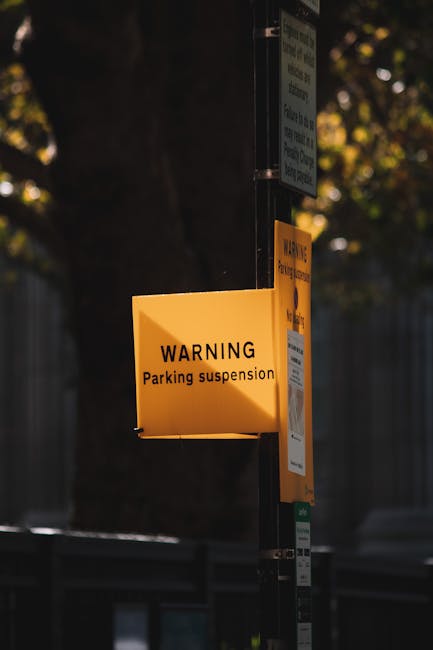
Here is the simple version: a parking suspension temporarily removes a parking space, bay, or section of street from normal use. Councils use suspensions for removals, skip placement, utility works, crane access, and other jobs that need a clear roadside area. In Pimlico, the exact process depends on the street, the timing, the vehicle type, and the council's current rules.
Do you always need a permit? Not always. But if your vehicle will use a suspended bay, or if a booking requires council approval, then yes, some form of authorisation is usually involved. People often use "permit" as a catch-all phrase, but in practice the situation may involve a bay suspension request, a parking waiver, or a loading arrangement. The wording varies. The practical need does not: you need permission to use the space legally.
Think of it like this:
- If the vehicle is simply stopping for a few minutes in a legal loading place, a suspension may not be needed.
- If the vehicle needs guaranteed space for a van, lorry, or multiple hours of loading, a suspension is far more likely.
- If the road is already heavily restricted or shared with residents' bays, you should check early rather than assume there is room to squeeze in.
That distinction matters. A lot. In a busy area like Pimlico, the difference between "we can probably fit" and "we have formal cover for this bay" can decide whether a removal is smooth or messy.
For people planning a more complex move, it can also be worth looking at man and van in Pimlico or house removals Pimlico options, because the vehicle size and loading method influence whether a suspension is practical. A small van might be easier to work around, but a larger removal vehicle often needs a much clearer roadside setup.
One thing to remember: the council is looking at impact on traffic, residents, and safety. If your request is reasonable, clear, and timed properly, the process is usually far less dramatic than people fear. If it is vague or last-minute, on the other hand, things can get sticky.
Key Benefits and Practical Advantages
Parking suspensions can sound bureaucratic, but they solve very real problems. In Pimlico, where road space is at a premium, they can save time, protect furniture, and reduce the risk of fines or awkward delays.
Here are the main benefits:
- Clear access for loading and unloading. This is the obvious one. Your team is not battling for space while carrying a wardrobe or fridge through a narrow gap.
- Reduced risk of parking penalties. If the bay is suspended correctly and the vehicle is positioned within the rules, you reduce the chance of enforcement issues.
- Better time management. A reserved space keeps the move moving. It sounds basic, but basic is good on moving day.
- Safer handling. Fewer rushed lifts, fewer dodges around traffic, fewer close calls with pedestrians.
- Less disruption for neighbours. A proper suspension is a cleaner way to manage road use than improvised roadside parking.
There is also a subtle benefit people overlook: confidence. When the parking side is sorted, the whole day feels more manageable. You are not starting from a place of uncertainty. That matters more than it sounds like it should.
If your move involves awkward items, you may want to read about bulky item pickups in Pimlico or even piano removals in Pimlico. Those jobs almost always benefit from clearer roadside planning. A piano, especially, does not appreciate a long carry from the far end of the street. Neither do the people moving it.
Who This Is For and When It Makes Sense
This topic is not just for large removals firms. It is relevant to anyone whose vehicle or delivery depends on roadside space in Pimlico.
You are likely to need to think about a permit or suspension if you are:
- moving house or flat in Pimlico
- delivering furniture, appliances, or boxed stock
- using a van-and-driver service for a time-sensitive job
- organising an office move with multiple stops
- arranging same-day collection or bulky waste removal
- moving high-value or fragile items that should not be carried too far
It makes especially good sense when:
- the street is narrow or regularly congested
- you need the vehicle to stay close to the entrance
- there are resident-only bays or shared-use restrictions
- the job will take more than a few minutes
- you are moving on a weekday when demand is highest
If that sounds familiar, you are in the right place. Even a small move can become awkward if the van is parked too far away and everyone is making extra trips with boxes. A little planning saves a lot of puffing and muttering under your breath. Been there, done that.
For smaller jobs, it may be enough to look at man with a van Pimlico or man and a van Pimlico services, where flexible vehicle choices can make parking arrangements easier to handle. For larger homes, a more structured service such as flat removals Pimlico or office removals Pimlico may be more suitable.
Step-by-Step Guidance
If you want the shortest practical route through the rules, follow this sequence.
- Identify the exact location. Check the street, bay type, and whether the frontage is residents-only, pay-and-display, loading-only, or otherwise restricted.
- Work out what vehicle will attend. A small van, a long wheelbase van, and a lorry are treated differently in practice. Size changes the parking problem.
- Ask whether a suspension is needed. Do not assume. If the vehicle needs to remain stationary in a bay for loading, ask early.
- Check lead times. Some arrangements need more notice than people expect. Last-minute requests are where stress begins.
- Confirm what is covered. Make sure you understand the date, times, bay location, and any display requirements for notices or reference details.
- Plan the loading window. Build in enough time for lifting, stairs, and setbacks. There is always a box that takes longer than expected.
- Keep evidence and booking details accessible. If there is any issue on the day, you want the reference, timing, and instructions easy to show.
- Re-check the street before the move starts. A bay can look fine on paper and still have a problem on the day due to another vehicle, roadworks, or a local restriction change.
A very practical note: if your move involves boxes, tape, and that one heavy chair that never seems to fit through the door cleanly, time gets eaten quickly. It is wise to work with a service that understands local conditions, like packing and boxes Pimlico or removal services Pimlico, so parking planning and lifting logistics are treated as one job, not two separate headaches.
Expert Tips for Better Results
Small decisions make a big difference here. A lot of parking trouble comes from not thinking one step ahead.
- Book the parking side before the packing side gets chaotic. Once the boxes are everywhere, the admin feels twice as annoying.
- Choose the right vehicle size. Bigger is not always better if the street is tight. Sometimes a smaller van plus a well-timed second run is easier.
- Keep a buffer for delays. Lifts, stairs, and door codes all add time. They just do.
- Match the service to the property type. A top-floor flat with no lift needs different planning from a ground-floor office clearance.
- Think about access as well as parking. A van parked legally is helpful, but if the path to the door is blocked by bins or another vehicle, the move still slows down.
- Don't leave it to the morning of the move. That is where "we'll sort it on the day" becomes expensive optimism.
One useful habit is to take a quick photo of the bay and the street before loading begins. Not because you are preparing for a legal drama, but because details blur once the team gets busy. A photo can be handy if there is confusion about where the vehicle was meant to stand.
And yes, it can feel like a lot of tiny admin tasks for one simple move. That is London, though. A little sideways planning goes a long way.
If you are comparing service types, the pages for removal van Pimlico and removal companies Pimlico can help you think through vehicle choice, staffing, and whether the job needs a more formal setup.
Common Mistakes to Avoid
This is where many people trip up. Usually not because they are careless, but because they are busy and trying to do ten things at once.
- Assuming a permit is automatic. It may not be. Always verify.
- Confusing a suspension with a general parking permit. They are not always the same thing. The terminology matters.
- Booking too late. Last-minute requests can leave you with no practical roadside solution.
- Ignoring vehicle size. A permit arrangement for a small van may not suit a larger removal lorry.
- Forgetting about unloading time. If the bay is only reserved for a short period, slow packing can cause a scramble.
- Not checking street-specific restrictions. Pimlico has plenty of areas where local conditions affect the plan.
- Leaving the driver to guess. The most expensive sentence on moving day is often, "I thought you knew."
A smaller but very common mistake is not aligning the parking plan with the overall move plan. If you have booked storage, for example, or you are staging the move in phases, the parking arrangement should reflect that. Otherwise you end up with a van waiting while the second load is still upstairs. Not brilliant.
For moves that include temporary holding or a staggered handover, you may want to look at storage Pimlico. If you are moving on a tight turnaround, the option of same day removals Pimlico can be useful, but only if the parking arrangement is sorted early enough to support it.
Tools, Resources and Recommendations
You do not need a huge toolkit to handle this well, but a few practical items make life easier.
- Site notes. Write down the exact street, bay, and date information as soon as you confirm it.
- Phone photos. Take pictures of the frontage, signs, and bay markings before the move starts.
- Moving checklist. Keep the parking task alongside the packing task so one does not get forgotten.
- Timer or reminder. Helpful for short booking windows and staggered arrival times.
- Clear contact details. If the driver, tenant, landlord, or building manager needs to coordinate, make that easy.
On the service side, it helps to choose a mover that understands the local streets rather than one that treats Pimlico like a generic postcode. There is a difference. A company that regularly handles furniture removals Pimlico, student removals Pimlico, and house removals Pimlico is more likely to plan access realistically.
If you are still weighing costs, the pages for pricing and quotes and competitive prices are useful places to compare arrangements without overcomplicating the decision. Good parking planning and good pricing tend to go hand in hand, even if nobody loves reading the small print.
Law, Compliance, Standards, or Best Practice
Because parking suspensions touch on road use, access, and local enforcement, it is best to treat them as a compliance issue, not a casual favour. The safest approach is to follow the council's rules for the relevant street, keep accurate booking details, and make sure any required authorisation is in place before the vehicle arrives.
In practical terms, that means three things:
- Use the correct wording. Some situations are suspension requests, some are parking permissions, and some involve loading restrictions. Do not assume the labels mean the same thing.
- Keep the timing exact. Parking suspensions are often time-bound. Arrive too early or overrun too long and you can create avoidable issues.
- Stay within the booked setup. If the bay is approved for a particular place or vehicle type, do not stretch that plan beyond its limits.
Best practice also means being honest about the move. If you know the job will take longer because of stairs, awkward furniture, or shared access, say so at the start. It is far better to plan for a realistic half-hour than pretend the move will be done before the second kettle boils.
For local awareness and service standards, it can also help to review operational pages such as health and safety policy, insurance and safety, and terms and conditions. They will not tell you the parking rules, but they do show the kind of care that should sit behind a well-run move.
Options, Methods, or Comparison Table
People usually have three practical ways to handle parking for a move in Pimlico. The right choice depends on the job size, the street, and how much time you have.
| Option | Best for | Pros | Watch-outs |
|---|---|---|---|
| Informal on-street loading | Very small jobs with quick turnaround | Simple, fast, low admin | Only works where loading is clearly allowed and space is available |
| Parking suspension or reserved bay | Most flat moves, house moves, and larger deliveries | Clear access, better control, less risk of being blocked | Needs planning, timing, and correct authorisation |
| Smaller vehicle with flexible loading | Light moves, student moves, or awkward streets | Easier to fit into tight Pimlico roads | May require more trips and more handling time |
In many real-world cases, the middle option is the safest. A reserved bay or suspension reduces uncertainty and gives the move team room to work. That said, if the job is tiny, it may be overkill. Not every move needs the full machinery of paperwork and traffic cones. Sometimes a decent small van, good timing, and a clear loading spot are enough.
If you are unsure which setup fits your move, browsing man and van Pimlico or flat removals Pimlico can help you match the parking method to the actual job, rather than the imagined one.
Case Study or Real-World Example
Here is a realistic example from a typical Pimlico street move.
A couple moving from a top-floor flat needed to get a sofa, mattress, six boxes of books, and a dining table out before midday. The street was narrow, the nearest legal bay was busy, and the lift in the building was not available. If they had simply turned up in a van and hoped to find space, the whole day would have started badly.
Instead, they planned the parking side first. They checked whether a reserved bay or suspension was needed, matched the vehicle size to the street, and arranged the timing so the team could load directly from the building entrance. The result was not glamorous, but it was effective. Fewer trips. Less waiting. No awkward dashes back and forth while neighbours tried to get past.
The noticeable difference was not just speed. It was calm. The boxes came out in order, the sofa moved without drama, and the street stayed manageable. Nothing magical, just good planning. That is often how these things go, to be fair.
The same logic applies to more specialised jobs too. A piano move, for example, or a bulky appliance collection near a busy road like Millbank needs a parking setup that reduces carrying distance and avoids unnecessary risks. If the route is complex, a bit of extra planning pays for itself in peace of mind.
Practical Checklist
Use this before the move starts.
- Confirm the exact Pimlico street and loading point.
- Check whether the vehicle needs a permit, suspension, or another form of authorisation.
- Match the vehicle size to the bay and the access available.
- Allow extra time for stairs, lifts, and awkward furniture.
- Keep the booking reference and timing details handy.
- Take a photo of the bay and street signs if helpful.
- Tell everyone involved where the van will stop.
- Make sure boxes are packed and labelled before the vehicle arrives.
- Have a backup plan if the bay is blocked or unavailable.
- Re-check the setup on the day, not just the day before.
If you tick those off, you are already ahead of most people. Seriously. Many moving-day problems start with one missing note or one vague assumption, and then the whole thing snowballs.
Conclusion
So, do you need a permit for Pimlico parking suspension rules? In many cases, yes, you will need some form of permission or organised suspension if your vehicle needs reserved roadside space. The exact answer depends on the street, the vehicle, the time needed, and the type of move. That is why it pays to check early rather than guessing later.
The real goal is not paperwork for its own sake. It is to make the day smoother, safer, and less stressful. In Pimlico, where space is precious and timing matters, parking planning is part of the move itself. Get that right and everything else has a better chance of falling into place.
If you are preparing a move in the area, it is worth comparing services, checking access, and choosing a team that understands local parking pressure. A well-planned day is a kinder day. And, honestly, we could all do with a few more of those.
Get a free quote today and see how much you can save.
![Professional Movers Services at Unbeatable Prices in [LOGO_TITLE]](../../pub/actonmovers-banner.png)