Westminster Council permits for Pimlico street moves
Posted on 18/06/2026
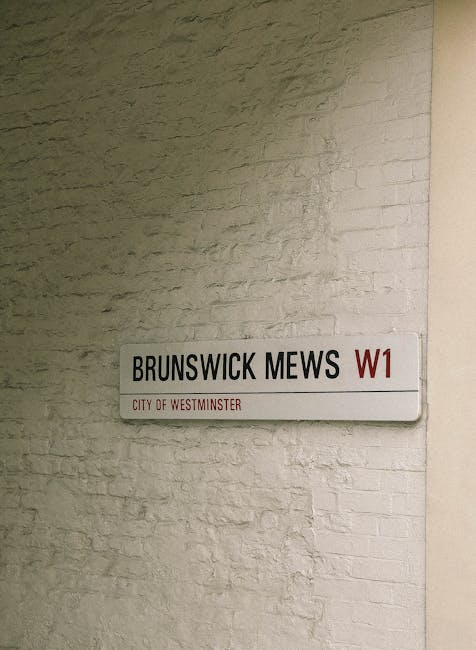
Westminster Council permits for Pimlico street moves: a practical local guide
Moving in Pimlico can feel deceptively simple until the parking becomes the real problem. Narrow terraces, busy one-way streets, residents' bays, loading restrictions, red routes nearby, and the odd awkward corner can turn a smooth move into a headache. That is why Westminster Council permits for Pimlico street moves matter so much: they help you plan lawful loading, avoid unnecessary fines, and keep the move on schedule. In this guide, we'll break down how the permit side usually works, what to prepare, and where people most often trip up. If you want the move to feel calmer on the day, this is the bit worth getting right.
Why Westminster Council permits for Pimlico street moves matters
Pimlico is one of those London neighbourhoods where the street itself can decide how easy your move will be. Some roads give you just enough room to load a van; others are tighter than they look from a map, especially once another car, a scooter, or a delivery wagon is in the mix. Westminster Council permits for Pimlico street moves matter because they can help you secure a legitimate stopping arrangement instead of hoping for the best.
That sounds obvious, but in practice it saves a lot of stress. A move without the right parking or loading arrangement can be delayed by even a short enforcement visit. And when you are balancing a lift that is only free for a small window, or you are trying to clear a flat before a handover deadline, a delay is not just annoying. It can cascade.
There is also the local reality. Pimlico has a mix of residential streets, mansion blocks, busy routes close to Westminster, and sites where access is tricky at certain times of day. You may be moving from a basement flat, a top floor walk-up, or a building near Pimlico Tube station with tight timings and lift access. In those situations, parking permissions are not a nice-to-have. They are part of the move plan.
Key takeaway: the permit side is not paperwork for paperwork's sake. It is a practical way to reduce disruption, keep your removal team working efficiently, and avoid that sinking feeling when the van has nowhere legal to stop.
How Westminster Council permits for Pimlico street moves works
At a simple level, the process is about matching your moving plan to the street rules that apply on the day. That may involve loading bay use, bay suspension, temporary parking permission, dispensations, or another council-controlled arrangement depending on the location and the nature of the move. The exact route depends on the street, the vehicle, and how long loading is expected to take.
For Pimlico street moves, the practical question is usually not "Do I need a permit in a general sense?" It is more often "What is allowed on this street, at this time, for this vehicle, for this duration?" That detail matters. A small van may be treated differently from a larger removal van. A quick single-item pickup is different from a full flat move. And on some roads, the best plan is not a permit at all but a carefully timed loading window paired with clear instructions to the crew.
The permit or parking arrangement is only one part of the picture. You also need to think about access routes, neighbour impact, building entry, lift booking, and how long items will actually take to carry. A lot of people underestimate the time it takes to get a sofa down two flights of stairs or navigate a bulky wardrobe through a narrow hallway. If you want an example of the kind of work that needs proper planning, have a look at bulky item pickups in Pimlico.
In real life, permit planning is often best done before the boxes are fully packed. That gives you time to check access, estimate vehicle size, and avoid last-minute compromises. And honestly, last-minute is where mistakes breed.
What the process usually involves
- Checking whether the street has restrictions, loading-only periods, or bay controls
- Confirming the vehicle type and size needed for the move
- Deciding how long the vehicle will need to stop
- Allowing for building access, stairs, lifts, and carrying distance
- Making sure the move day lines up with the permission granted
- Keeping any confirmation or instructions ready for the driver
Key benefits and practical advantages
The obvious benefit is avoiding parking trouble. But there are a few less obvious advantages too, and they matter just as much.
First, a proper arrangement helps the move stay efficient. If the van can stop close to the property, the team spends less time walking up and down the street with boxes. That means less fatigue, less risk of damage, and a better chance of finishing on time. In a place like Pimlico, where streets can be busier than they first appear, a few saved minutes here and there can make a real difference.
Second, it lowers the chance of awkward disputes. Nobody enjoys the moment when a driver is trying to explain why the van is there while someone else is already frustrated about blocked access. Clear permission, or at least a clear plan, makes everyone's day easier.
Third, it supports better cost control. Delays, repeat trips, or enforcement issues can add expense fast. If your move includes fragile furniture or specialist handling, you may already be choosing between options such as furniture removals in Pimlico or a more compact man and van service in Pimlico. Getting the parking side sorted helps whichever option you choose work as intended.
And yes, it also reduces stress. That counts. People underestimate stress until the morning of the move, when the kettle is packed, the hallway is full, and someone is asking where the keys went. A reliable parking plan feels boring in advance, but brilliant on the day.
| Benefit | What it means in practice | Why it matters in Pimlico |
|---|---|---|
| Less delay | The vehicle can load closer to the property | Tighter streets and busy periods make access precious |
| Lower risk | Fewer rushed carries and fewer awkward manoeuvres | Useful for flats, basement homes, and furniture moves |
| Better coordination | Everyone knows where the van can stand and for how long | Helps when lifts, neighbours, and timing are all involved |
| Fewer surprise costs | Less chance of penalties or avoidable rework | Parking issues in Westminster are rarely cheap |
Who this is for and when it makes sense
This is not only for people moving out of a big townhouse with half a dining room's worth of furniture. Westminster Council permits for Pimlico street moves can be relevant for a whole range of situations.
If you are moving from a one-bedroom flat, you may think the job is too small to need any planning. But if the van has to wait on a narrow road while you carry items from an upper floor, you can still run into restrictions. The smaller the move, the easier it is to assume parking will sort itself out. That is exactly when people get caught out.
If you are arranging a family house move, the issue becomes scale. More boxes, more furniture, more time. If you are moving an office, the pressure is different again. Deliveries, staff, equipment, and building access all need to line up. For that kind of move, it may be worth reviewing office removals in Pimlico alongside the parking plan.
Students also benefit from thinking ahead. Student moves are often quick, but they are not always simple, especially if the pickup point is on a street with strict loading limits. If that sounds familiar, student removals in Pimlico can be a useful fit.
And then there are the truly time-sensitive jobs. Same-day moves, short-notice lettings, or end-of-tenancy handovers can leave very little room for error. In those cases, parking and loading permission becomes part of the emergency plan, not an afterthought. A bit dramatic? Maybe. But also true.
Step-by-step guidance
Here is the practical version. Not the glossy version, the real one.
- Check the address and street layout. Look at where the property sits, whether there is controlled parking nearby, and how much room a vehicle would realistically have.
- Match the move size to the vehicle. A compact van and a larger removal van are not interchangeable. If you get this wrong, the parking plan may be useless even if it is technically valid.
- Estimate loading time honestly. Add time for stairs, lifts, awkward furniture, and traffic. People always undercount this. Always.
- Decide whether you need formal parking permission. If the street is restricted, or if the move requires reserved space, loading access, or suspension of a bay, plan accordingly.
- Book the move around the permission window. Do not assume you can stretch a morning slot into the afternoon. Councils and enforcement officers do not tend to share that optimism.
- Tell the mover exactly what is happening. Give clear instructions about the street, entrance, floor level, lift access, and any building rules.
- Keep your confirmation accessible. Print it or save it where the driver can see it quickly. The first five minutes on site matter a lot.
- Reconfirm the day before. Weather, access changes, building works, and neighbour activity can all affect the final plan.
If you need a broader view of moving options before you commit, it can help to compare the full range of removal services available. That way, you are not solving the parking piece in isolation.
A simple pre-move question to ask yourself
Would I still be comfortable with the plan if the street were busier than expected? If the answer is no, you probably need a stronger parking arrangement.
Expert tips for better results
Small details save moves. That is the honest version of the job.
One of the best tips is to think in terms of access, not just parking. A van stopped legally but half a street away still leaves you carrying more than you need to. In Pimlico, those extra metres can become a long, sweaty chain of box runs by late morning. Not ideal.
Another useful tip: check the route from the van to the front door before move day. If there is a narrow pavement, a corner, steps, or a gate, tell your removal team in advance. This is especially important for heavier items and specialist handling, such as piano removals or larger household pieces.
Also, keep your building contact details handy if there is a porter, concierge, or managing agent. Sometimes the hold-up is not the council at all; it is a missed building instruction. Happens more than people think. A little annoying, but very human.
And one more thing: if you are choosing between moving setups, do not let price be the only factor. A cheaper option that struggles with access can end up costing more in wasted time. Reviewing pricing and quotes alongside access planning gives you a better picture.
Expert summary: the best Pimlico move plans are the ones that treat parking, access, lifting, and timing as one job. Split them apart and you risk a messy day. Keep them together and the whole thing gets much easier.

Common mistakes to avoid
A lot of move-day problems are predictable. That is the frustrating bit. The good news is that predictable problems are easier to prevent.
1. Leaving permission too late. If you are waiting until the evening before the move to think about access, you are already on the back foot. Late requests can leave you with fewer options.
2. Underestimating the size of the vehicle. People often book a van that looks fine on paper but creates a real problem at the kerb. It may fit the load, but not the street rules.
3. Assuming a quick move needs no planning. Even a small move can run into loading restrictions if the timing is unlucky.
4. Not checking building rules. Some blocks have strict instructions about entry, lift use, floor protection, or arrival times. These are not just suggestions.
5. Forgetting about second trips. If the first load fills the van faster than expected, do you still have the space or permission for a second run? It sounds basic, but that oversight can be expensive.
6. Ignoring the weather. Wet steps, slippery pavement, and long carries do not mix well. If it is a damp London morning, everything takes longer.
7. Not telling the mover about awkward items. If you have a sofa that only turns one way in the staircase, say so early. The team can plan the sequence better.
When people say their move "just went wrong," it is often one of these issues, or a combination. Usually not one big disaster. More like three small things arriving at once. Charming, really.
Tools, resources and recommendations
You do not need a complicated toolkit, but a few simple things make a move much smoother.
- Floor plan or rough sketch: helps you think through where items will come from and where the van can stop
- Room-by-room inventory: useful for estimating volume and deciding vehicle size
- Box labels: faster loading, faster unloading, less confusion in the flat
- Tape, markers, and basic protection: surprisingly helpful when the doorframe is the tight bit
- Mobile access to confirmations: keep the moving plan and any parking details easy to find
If you need packing support, packing and boxes in Pimlico is worth looking at before the move day rush. And if you are only moving a few items across the area, a man with a van in Pimlico may be the most practical fit, provided access is straightforward.
For moves that need temporary holding space or flexible timing, storage in Pimlico can help break the job into stages. That can be a lifesaver if your completion date and key handover do not line up neatly. Which, let's face it, they often don't.
Law, compliance, standards, or best practice
When people talk about council permits, they often jump straight to rules. Fair enough. But the better lens is best practice. The exact arrangements can vary depending on the street, the type of vehicle, and the nature of the loading activity, so it is wise to avoid assumptions. Westminster-style enforcement is not the place for guesswork.
From a practical compliance perspective, the safest approach is simple: make sure the vehicle is where it is allowed to be, for the time it is allowed to be there, and for the purpose it is allowed to carry out. That means your moving team should understand the plan before they arrive, not halfway through the first carry.
It is also sensible to keep records of any permission, instructions, or booking details. If there is a misunderstanding later, clear notes can help you show what was agreed. This is especially useful for busy central London streets where several rules may overlap.
Best practice also means thinking about safety. Your removal team should be able to load and unload without forcing risky lifts, blocking pedestrians, or rushing through cramped access. If you want reassurance on the operational side, health and safety policy information can help you judge how seriously a mover treats the practical basics.
For broader trust signals, it is worth reviewing service terms, payment processes, and insurance details before booking. That may not sound thrilling, but it saves awkward questions later. The boring stuff is often the useful stuff.
Options, methods, or comparison table
Not every move needs the same approach. Below is a simple comparison to help you think through the main options.
| Approach | Best for | Pros | Trade-offs |
|---|---|---|---|
| Formal council-controlled parking arrangement | Longer moves, busy streets, tight access | Clearer legality, better access control, less chance of penalties | Needs planning and timing |
| Carefully timed short loading stop | Smaller moves with simpler access | Can be efficient and flexible | Less forgiving if the move runs over |
| Compact van plus manual carrying | Light or partial moves | Often easier to position in narrow streets | May require extra trips |
| Removal van with full team support | House moves, heavy furniture, complex access | Faster loading, more hands, more control | Needs stronger parking and access planning |
For many Pimlico moves, the best answer is not one method forever. It changes with the property, the time of day, and how much you are moving. A top-floor flat with a piano is a different beast from a student studio with three bags and a desk lamp.
Case study or real-world example
Here is a very typical Pimlico scenario. A couple are moving from a third-floor flat near a quieter side street. They have a bed, a sofa, a dining table, boxes from the kitchen, and a few fragile items. At first, they assume the van can simply wait outside for an hour or so.
But once the mover checks the road properly, it becomes clear that the street has restricted stopping at certain times, and the nearest practical loading position is not directly outside the building. They adjust the plan, shift the start time slightly, and use a vehicle size that makes sense for the access. The result is not glamorous, but it works. No spiralling delays. No panicked block-to-block search for space. Just a steady, controlled move.
Now compare that with the alternative. Same move, same building, no parking planning. The van arrives, there is nowhere appropriate to stop, and the crew starts burning time while trying to solve a problem that should have been settled earlier. That is the sort of thing that turns an orderly morning into a slightly frazzled one by 10:30am.
If you are the sort of person who likes to know the local area better before moving, a quick read on Pimlico's history or the pros and cons from locals can also give useful context. It does not change the parking rules, but it does help you understand the rhythm of the neighbourhood.
Practical checklist
Use this as a simple pre-move sanity check. Nothing fancy. Just the essentials.
- Confirm the full moving address and exact street name
- Check likely access points from van to front door
- Work out whether the move is small, medium, or full-house scale
- Decide which vehicle type is actually suitable
- Allow extra time for stairs, lifts, and carrying distance
- Check if the street has restrictions, loading limits, or controlled bays
- Keep any parking or loading confirmation ready for the driver
- Tell the mover about bulky, fragile, or awkward items
- Book lift access or building entry if needed
- Prepare boxes and furniture so the crew can start immediately
- Review insurance, terms, and payment details before move day
If you are comparing providers, removal companies in Pimlico is a sensible place to start, especially when you want to balance access planning with service quality. And if you are weighing affordability, competitive prices can help you judge value rather than just headline cost.
Get a free quote today and see how much you can save.
Conclusion
Westminster Council permits for Pimlico street moves are really about one thing: making sure the practical side of your move is lawful, workable, and calm enough to manage. When the parking and loading plan is sorted early, the rest of the day tends to behave better. Not perfectly. This is London, after all. But better.
If you are moving a flat, house, office, or even a single bulky item, it pays to treat access as part of the move itself, not an admin task on the side. That mindset alone prevents a lot of stress. And if you are unsure, ask more questions than you think you need. The useful answer is usually in the detail.
Handled well, the permit side is not a barrier. It is the thing that keeps the move flowing. And once the last box is in, the street looks a lot friendlier than it did that morning.
![Professional Movers Services at Unbeatable Prices in [LOGO_TITLE]](../../pub/actonmovers-banner.png)