Pimlico tube station moves: timings, lifts & access
Posted on 28/04/2026
If you are planning a move near Pimlico Underground, the details matter more than people expect. A smooth relocation is not just about boxes and vans; it is about timing your arrival, understanding station access, and making sure lift use, step-free routes, and street conditions work in your favour. This guide to Pimlico tube station moves: timings, lifts & access breaks down what to plan, what to check, and how to avoid the small delays that can turn moving day into a long day.
Whether you are heading into a flat off Lupus Street, moving out of a townhouse closer to Belgravia, or coordinating furniture around busy local streets, a little local knowledge goes a long way. You will also find natural next steps, from choosing the right service level to making sure your removal plan fits the reality of the area. For broader support, you may also want to review local removals in Pimlico, or explore packing and box options if you want to reduce pressure on the day.
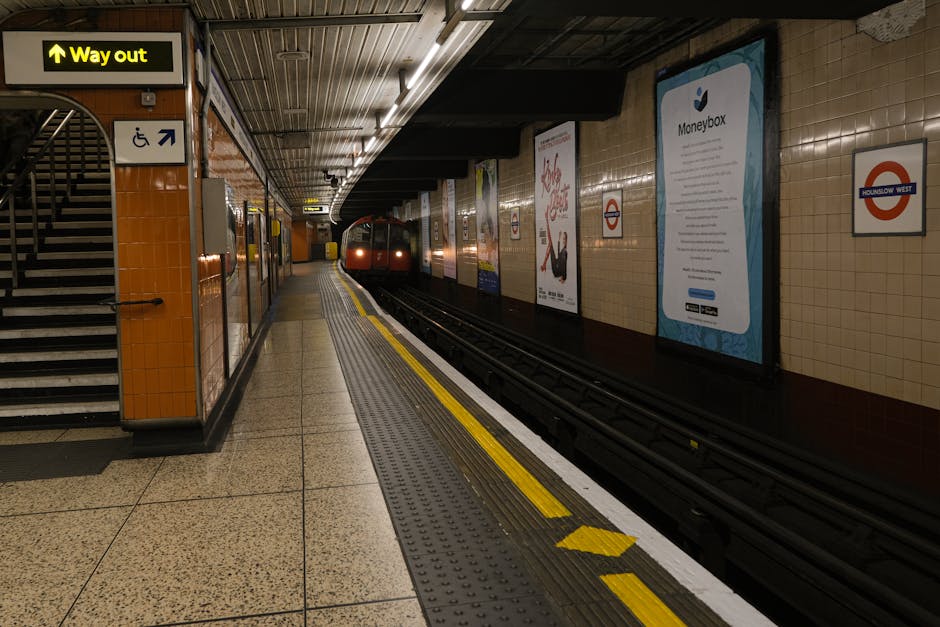
Why Pimlico tube station moves: timings, lifts & access Matters
Pimlico is one of those London neighbourhoods where moving well is mostly about planning around the environment. Streets can be busy, parking is limited, and access is often tighter than you would expect if you are moving from a larger suburban property. If your home or destination sits close to the station, your move may also need to account for passenger flow, taxi activity, and the practical realities of loading near a Tube entrance.
Timings matter because the difference between an easy arrival and a frustrating wait can be as simple as choosing the right slot. School runs, commuting peaks, and weekend footfall all affect how calm the area feels. Lifts matter because if you are moving furniture, heavy boxes, or awkward items, every extra step adds time and effort. Access matters because a route that looks straightforward on a map may not be the best route for a removals team carrying a sofa or navigating a narrow hallway.
For local context, Pimlico has a long-established residential feel, with a mix of period buildings, flats, and terraces. That creates a very specific moving environment. If you are weighing the area as a place to live, it can help to read local perspective pieces such as Pimlico pros and cons from locals or the more general history of Pimlico, because the built environment explains a lot about why moving here can be so different from moving elsewhere.
Practical takeaway: the closer your move is to the station, the more your success depends on timing, route choice, and access planning rather than brute force.
How Pimlico tube station moves: timings, lifts & access Works
The simplest way to think about a Pimlico-area move is this: you are trying to synchronise three moving parts. First, the schedule. Second, the access route. Third, the lifting and carrying plan. If one part is off, the whole move slows down.
1. Timings: choose the calmest possible window
Movers often work best when they can start early enough to beat the rush but not so early that building access becomes awkward. In practical terms, a morning start can help you avoid peak passenger movement and create room for loading. Midday may be fine for smaller moves, while late afternoon can be less predictable because of commuter traffic and building handovers.
For flat moves or office relocations, the timing must also align with lift bookings, concierge slots, or building management rules. If you need same-day flexibility, a service such as same-day removals in Pimlico can be useful, but it still works best when the access plan is clear from the start.
2. Lifts: not just a convenience, but a moving tool
If the building has a lift, that changes the whole job. A lift can reduce carrying distance, reduce fatigue, and lower the chance of bumping walls or stair rails. But a lift also comes with limits. It may be small, slow, shared, or unavailable during certain hours. It may also require padding, booking, or a building supervisor to approve use.
Remember that a lift is only helpful if your items fit. Large wardrobes, mattresses, and pianos can still present problems. In those cases, specialist services such as furniture removals or even piano removals in Pimlico are the safer route because they account for weight, shape, and handling requirements.
3. Access: the route from van to front door
Access is the part many people underestimate. A move can look simple on paper and still be awkward if the van cannot stop close enough, if there is no legal loading space, or if the entrance has steps, tight turns, or a long internal corridor. A good removals plan checks the route twice: once from the street to the building, and once from the building to the actual room or flat.
If you are not sure how much access support you need, it may be worth comparing options on the services overview and then matching your move to the right team size and vehicle type. Some moves are ideal for a man with a van in Pimlico, while others are better handled as a fuller package with more hands and equipment.
Key Benefits and Practical Advantages
When a Pimlico move is planned around station timings, lift use, and proper access checks, the benefits are immediate and tangible. You do not just save time; you reduce stress and protect your belongings.
- Less waiting around: the team can start and finish more efficiently.
- Safer handling: shorter carries and better routes mean fewer bumps and scrapes.
- Better use of labour: movers spend time moving, not problem-solving at the kerb.
- Smoother building relations: lift bookings and access plans help avoid awkward disputes with neighbours or management.
- More predictable costs: fewer delays usually mean fewer unexpected complications.
There is also a quieter benefit: confidence. When your moving plan is specific, you stop worrying about what might go wrong. That matters more than people admit. A calm move is rarely accidental; it is usually the result of modest preparation done well.
If you are comparing service levels, a good starting point is the wider removal services in Pimlico page, which helps you see where basic transport ends and full support begins. For budget-minded moves, the page on competitive prices is also worth a look.
Who This Is For and When It Makes Sense
This guidance is useful for anyone moving close to Pimlico station, but it is especially relevant if any of the following apply:
- You live in a flat or maisonette with shared access.
- Your building has a narrow or small lift.
- You are moving at a busy time of day.
- Your furniture is bulky, fragile, or hard to carry.
- You need to coordinate with a landlord, concierge, or building manager.
- You want to avoid tying up a van in a difficult loading area.
Students often need a simpler, faster setup, especially if they are moving between furnished rentals. In that case, student removals in Pimlico can be more appropriate than a full-scale house move. Flat dwellers, meanwhile, often need a very different setup from homeowners, which is why flat removals in Pimlico can be a better fit.
For people relocating into the area from nearby streets, local familiarity matters too. If you are moving from or around the neighbourhood, a guide such as moving from Lupus Street in Pimlico may help you picture the practical realities more clearly.
Step-by-Step Guidance
Here is a practical, no-nonsense way to prepare for a move near Pimlico tube station.
- Check the building access rules. Confirm lift availability, booking times, and any restrictions on moving hours.
- Measure the awkward items. Sofas, beds, wardrobes, and appliances should be checked against lift dimensions and stair turns.
- Map the van route. Find out where the vehicle can stop legally and how far the carry will be from van to door.
- Sort your packing early. Use sturdy boxes, label them clearly, and separate the essential first-day items.
- Tell neighbours or management where needed. A heads-up can avoid complaints and reduce friction on the day.
- Book the right type of help. A smaller move may suit a van-based service; a larger or more delicate job may need extra labour.
- Build in a buffer. Delays are common in central London, so avoid a plan that depends on every minute going perfectly.
One useful detail: if your move includes storage, it is often easier to separate the process into two stages. You can move non-essentials first and keep the final handover clean and manageable. For that, storage in Pimlico can be a practical part of the plan.
Expert Tips for Better Results
These are the small decisions that make the biggest difference.
Plan around lift pressure, not just availability
Even when a lift exists, shared buildings can create bottlenecks. If you know other residents are likely to be using the lift heavily, schedule your move for a quieter slot. It sounds simple, but it saves more time than most people expect.
Pack by carry order, not just by room
Put the first items you want unloaded somewhere that is easy to reach in the van. That way, the team can prioritise essentials without unloading everything in the wrong order. This is especially helpful in flats where the route from entrance to room is complicated.
Protect corners and surfaces early
Hallways in older buildings can be unforgiving. Corner protection, blankets, and proper handling reduce damage risk. If you have furniture with awkward finishes or sentimental value, it is better to overprotect than regret a scuffed edge later. Truth be told, most moving damage is preventable.
Match the service to the load
If you only need a few items moved, a man and van in Pimlico may be enough. If you are shifting a full household, a more structured house removals service may be a better fit. Getting this wrong usually means either paying for capacity you do not need or underestimating the job.
Ask about protection and insurance up front
It is sensible to confirm how the operator handles damage, loading care, and equipment use. Not every move involves risk, but every move benefits from clarity. If you want a deeper view of operational standards, the pages on insurance and safety and health and safety policy are useful supporting reads.
Common Mistakes to Avoid
Most moving problems near Pimlico station are not dramatic. They are small oversights that stack up.
- Assuming the lift will solve everything. A lift helps, but it does not remove the need to measure and plan.
- Ignoring parking or stopping restrictions. A van that cannot get close enough slows everything down.
- Leaving packing until the night before. Rushed packing usually leads to poor box weight distribution and damaged items.
- Forgetting building rules. Some buildings require notice, booking, or padding on lift walls.
- Choosing the wrong removal size. Too small, and you get multiple trips. Too large, and you may pay for unused capacity.
- Not planning for fragile items. Mirrors, TVs, framed art, and instruments need special handling.
A surprisingly common error is failing to think about what happens after the move begins. If the van arrives on time but the lift is unavailable, the whole schedule slips. That is why checking access in advance is not bureaucracy; it is basic risk management.
Tools, Resources and Recommendations
You do not need fancy software to manage a good local move, but a few practical tools can make the process much cleaner.
- Measuring tape: for doors, stairs, lift doors, and large furniture.
- Labels or marker pens: to mark rooms, priority boxes, and fragile items.
- Floor plans or phone photos: helpful for explaining access issues to movers.
- Spare boxes and tape: because someone always finds one more item at the last minute.
- Building contact details: useful for lift booking, loading instructions, or arrival coordination.
For service selection, the most useful pages are often the ones that help you understand fit rather than just price. Start with pricing and quotes if you want to compare options, then review removal companies in Pimlico if you are still deciding what level of support you need.
If your move involves specialist items, it is worth checking dedicated support pages early rather than later. The difference between a standard move and a delicate one can be significant, especially in tight buildings where carrying angles are awkward.
Law, Compliance, Standards, or Best Practice
Moving house or office is not usually a heavily regulated activity for the customer, but there are still important standards and expectations to keep in mind. In London, practical compliance tends to revolve around safe loading, responsible parking or stopping, building rules, and reasonable handling of property.
As a customer, the most sensible approach is to confirm the following before moving day:
- Whether the building requires advance notice for moves.
- Whether lift booking or protection is required.
- Whether the vehicle can legally stop close to the property.
- Whether the removals provider has appropriate insurance and safety procedures.
- Whether terms, payment details, and complaint routes are clear.
That last point matters more than it sounds. Clear terms reduce misunderstandings. If you want transparency around the process, review the site's terms and conditions, payment and security, and complaints procedure. For wider company values and operating standards, the about us page and accessibility statement can also be useful.
Responsible moving also includes good labour and supply-chain practice. If you are the kind of reader who likes to understand the business behind the service, the modern slavery statement and recycling and sustainability pages help show how the company thinks about operations beyond the van.
Options, Methods, or Comparison Table
There is no one-size-fits-all way to handle a Pimlico move. The right method depends on the size of the load, the building access, and how much lifting support you need.
| Moving method | Best for | Strengths | Trade-offs |
|---|---|---|---|
| Man and van | Small flats, student moves, a few key items | Flexible, efficient, often ideal for tighter schedules | Less suitable for large or complex moves |
| Full removals service | Households, larger flats, more furniture | More labour, better for heavy or multiple-room moves | Can be more involved to arrange |
| Specialist item move | Pianos, antiques, bulky furniture | Extra care for difficult objects and access challenges | Needs more detail in planning |
| Storage-led move | Staged relocations or temporary gaps between homes | Reduces pressure during handover | Requires extra coordination |
If you are unsure which route to take, a good rule is to start with the building constraints. If access is simple and the load is light, a van-based service may be enough. If there are stairs, a small lift, or fragile items, you will usually benefit from more support. For a fuller picture of options, removal van services can help frame the decision.
Case Study or Real-World Example
Imagine a couple moving from a one-bedroom flat near Pimlico station to another property a few streets away. On paper, the distance is short. In reality, the move still needs planning because the original building has a compact lift, the new place has a narrow staircase, and the van cannot stop directly outside both buildings for long.
They start by measuring the sofa, bed frame, and wardrobe. The wardrobe is the problem item. Rather than discovering that during loading, they ask in advance whether it can be dismantled or should be moved by a more specialist team. They also arrange their boxes in priority order: essentials first, books and decorations later. The movers arrive mid-morning, after commuter traffic has started to settle but before the day becomes too compressed.
Because the lift is booked, the team does not waste time waiting in the lobby. Because the van route is planned, there is less doubling back. And because the couple has already separated fragile items, the unloading process is smooth. Nothing dramatic happened. That is the point. Good moving near Pimlico often looks almost boring in hindsight, which is the best compliment a move can receive.
If their move had involved a larger property, they might have preferred a fuller package such as flat removals or even office removals if the relocation had been work-related.
Practical Checklist
Use this checklist in the final 48 hours before moving day.
- Confirm move time and arrival window.
- Check lift booking, access codes, and any building rules.
- Measure any item that could cause a problem on stairs or in a lift.
- Make sure boxes are labelled by room and fragility.
- Set aside documents, chargers, medication, and valuables.
- Confirm where the van can stop and how long loading is allowed.
- Tell neighbours or building staff if needed.
- Protect floors, corners, and door frames where practical.
- Keep water, keys, and a phone charger accessible.
- Double-check the destination address and any arrival instructions.
If you want to make the packing stage easier, the dedicated packing and boxes page is a sensible next step. For readers who are still exploring the area and deciding whether to move here, the local perspective in investing in Pimlico real estate and Pimlico property deals can also be helpful background.
Conclusion
Moving near Pimlico tube station is very manageable when you respect the realities of the area. Timings need to work with street activity and building access. Lifts need to be checked, booked, and measured against your furniture. Access needs to be planned as carefully as the packing itself. Once those pieces are in place, the move becomes far easier than people fear.
In short, the best Pimlico moves are the ones that feel organised, calm, and slightly uneventful. That is not dull; that is success. If you are comparing options, make sure the service fits the building, the schedule, and the items you are moving. If you are still weighing up the area itself, a quick read through great party places in Pimlico can also remind you why so many people are keen to live here in the first place.
Get a free quote today and see how much you can save.
![Professional Movers Services at Unbeatable Prices in [LOGO_TITLE]](../../pub/actonmovers-banner.png)