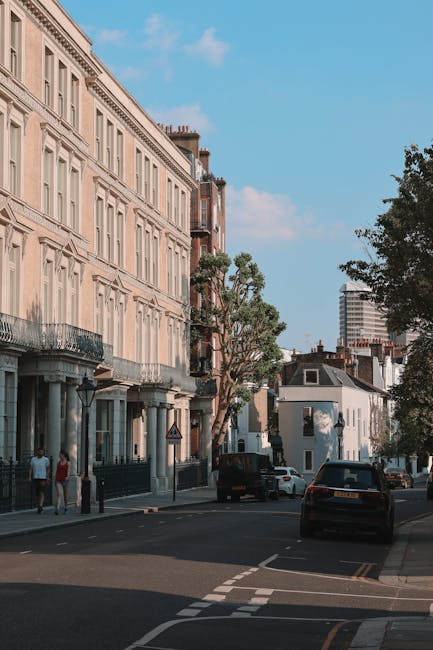
Pimlico SW1V removals: narrow streets, big savings
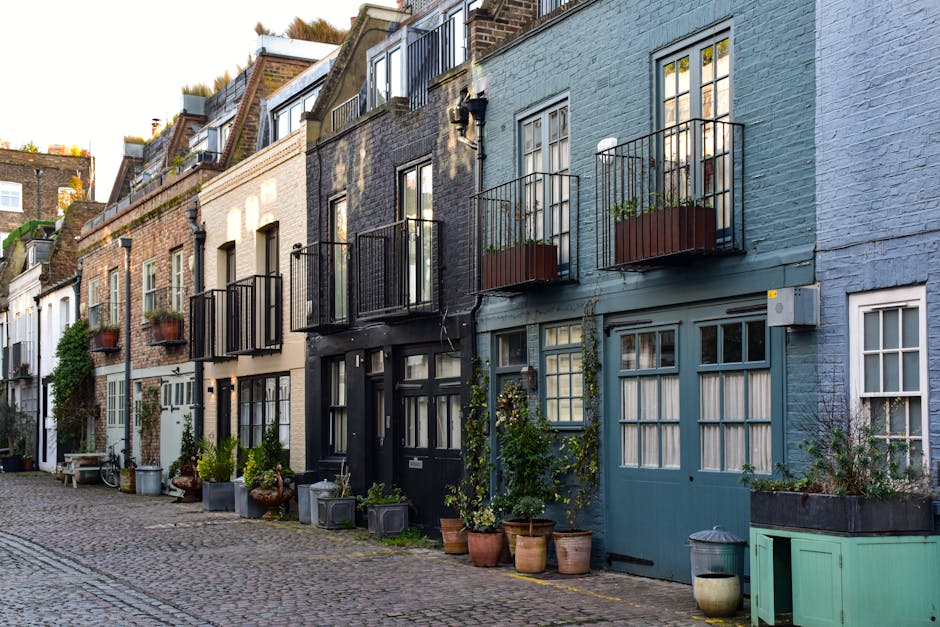
If you are moving in Pimlico, you already know the streets can be charming and a bit awkward at the same time. Terraces, tight junctions, busy weekday parking, the odd awkward staircase, and very little room to swing a tea tray, let alone a sofa. That is exactly why Pimlico SW1V removals: narrow streets, big savings is such a useful topic. Done well, a move here can be smoother than people expect, and often cheaper too, because the right approach avoids wasted time, failed loading attempts, and repeat trips.
This guide explains how small-space planning, the right vehicle, and a sensible moving plan can save you money in SW1V without turning moving day into a stress parade. You will find practical advice, common mistakes, a clear step-by-step process, and a realistic view of what actually matters in a tight central London move. Truth be told, the best savings usually come from preparation, not luck.
Why Pimlico SW1V removals: narrow streets, big savings Matters
Pimlico is one of those London areas where the geography shapes the job. The streets are elegant, sure, but they are often narrow enough that a poorly planned move can turn into a slow shuffle of boxes, side mirrors, and apologies to neighbours. That matters because removals pricing is often driven by time, access, and labour. If access is difficult, the work takes longer. If the vehicle is too large, it may need to park farther away. If the team has to keep stopping to reposition or carry items round corners, costs creep up.
That is where the "big savings" part comes in. Saving money in SW1V does not usually mean cutting corners. It means reducing friction. The less time a crew spends dealing with avoidable access issues, the more efficient the move becomes. In a practical sense, that can mean choosing a smaller vehicle, splitting the move into phases, booking a sensible arrival window, or packing in a way that makes lifting and stacking easier. Small decisions. Big difference.
You will also find that a well-planned local move reduces risk. Less carrying distance means fewer bumps. Better loading order means less damage. Clear timing means fewer waiting charges. And in a place where parking is precious and other vehicles will not politely move aside, that is no small thing.
Expert summary: In Pimlico, the cheapest move is rarely the one with the lowest headline price. It is the one that is easiest to execute cleanly, with the fewest delays, the right size vehicle, and a realistic plan for access.
How Pimlico SW1V removals: narrow streets, big savings Works
The logic is straightforward, even if the streets are not. A good removal plan in Pimlico starts with an honest assessment of the property, the road access, and the amount of furniture or boxes involved. A flat above a first-floor walk-up will not move the same way as a house with direct street access. Nor should it.
In practice, the process usually begins with a quote based on volume, labour, distance, and access. If the team understands that parking is tight, the lift is small, or the staircase is sharp and narrow, they can match the right vehicle and crew size. That is one reason pages like flat removals and house removals are useful starting points when you are figuring out which type of move you actually have.
Once moving day arrives, the crew will normally protect larger items, load the van in a sensible sequence, and keep the route as short as possible. In a tight London street, this can mean using a smaller vehicle or a shuttle-style approach if a full-size truck would block access. Sometimes the smartest move is not the biggest one. A van that fits the street can save more than a bigger lorry that sits half a block away while everyone carries wardrobes through the rain. Not ideal, really.
Efficiency matters at every step:
- accurate pre-move survey or assessment
- clear parking and access planning
- good packing and labelling
- the right vehicle for the street
- careful load order to avoid reshuffling later
- realistic timing for stairs, lifts, and door widths
If you are moving office equipment, stock, or mixed household items, the same principles apply. There is just less room for improvisation. For commercial requirements, commercial moves and office removals can be a better fit than a generic all-purpose service because they recognise how much a few minutes of poor access can disrupt a job.
Key Benefits and Practical Advantages
When people think about savings, they often think only about the quoted price. Fair enough. But in removals, the real value is broader than that. A move that is organised properly can save money, time, energy, and a fair bit of emotional friction too.
1. Lower labour time
In narrow streets, every extra step counts. If the vehicle is parked well, if items are pre-packed, and if boxes are labelled clearly, the crew spends less time hauling and more time actually moving. That can help keep costs under control.
2. Less damage risk
Long, awkward carries increase the chance of knocks to furniture, walls, and door frames. Better planning reduces the number of contact points. It sounds obvious, but you would be surprised how many moves go sideways because the basics were not thought through.
3. Better use of a smaller vehicle
In central London, a carefully chosen van can be more efficient than a larger truck that struggles to position safely. Services such as man and van or removal van options can suit lighter moves, student moves, or partial loads especially well.
4. Easier parking and access
There is no glamour in saying this, but parking is half the battle in many Pimlico moves. A compact vehicle, a sensible arrival time, and a plan for unloading can remove a lot of stress before it starts.
5. More flexible budgeting
For people who only need a few items moved, a full-scale operation is overkill. Better to match the service to the job. If you only need a sofa, wardrobe, or a few bulky items shifted, furniture removals or furniture pick up may make far more sense.
6. Less disruption to neighbours
Pimlico is residential and often busy. The quieter and quicker the move, the better for everyone. That may not save money directly, but it helps avoid complaints, delays, or that awkward feeling of blocking someone's morning. Nobody wants to be the moving van story people tell later.
Who This Is For and When It Makes Sense
This approach is especially useful if you are moving in or out of a flat, basement property, period terrace, or any place with limited roadside access. It also suits people who want to avoid paying for more vehicle and labour than they need. In short: if your move is modest in volume but tricky in access, you are the perfect candidate.
Typical situations include:
- studio, one-bed, or small flat moves
- student moves and short-term lets
- shared household moves with mixed timings
- furniture-only collections and deliveries
- office or consulting-room relocations
- same-day or short-notice moves where access planning matters
If you are moving a larger household, the same principle still holds. You just need a bigger plan. A team that understands home moves and house removalists will usually ask more detailed questions about access, volume, and timing, because that is what protects the budget later on.
It also makes sense if you are trying to keep the move "clean" and predictable. Maybe you are between tenancies. Maybe you are working around school runs, a lease handover, or a day with no lift access. Maybe you just want the thing done without drama. Fair enough.
Step-by-Step Guidance
Here is the practical version, stripped of fluff. If you follow these steps, you give yourself the best chance of a smooth and cost-effective move in SW1V.
Step 1: Measure access properly
Do not guess. Measure the widest doors, note the number of stairs, check whether the lift is usable, and consider where the vehicle can legally stop. Even a rough sketch helps. If your stairwell turns sharply halfway up, mention it. That little detail can change the whole plan.
Step 2: List what is actually moving
Make an item list by room. Separate large items from boxes, and mark anything fragile or awkward. A grand piano is not a box with ambition. It needs its own plan, and services like piano removals exist for a reason.
Step 3: Choose the right service level
Ask yourself whether you need a full house move, a flat move, a man with a van, or a specialist team. If the load is light and the route is tight, a smaller setup may be the best-value choice. If the job is larger, a more structured service may actually be cheaper because it avoids multiple trips. That sounds contradictory, but it is often true.
Step 4: Pack to reduce handling time
Use strong boxes, keep weight manageable, and label rooms clearly. Fragile items should be marked, but not in a dramatic all-caps meltdown kind of way. More importantly, keep similar items together so unloading is faster.
Step 5: Sort parking and timing early
In central London, timing can make or break a move. Try to avoid peak traffic where possible. If the road is busy in the morning, a later slot may be better. If loading bays are limited, plan ahead. A few minutes of forethought can save a frustrating half hour of circling.
Step 6: Protect the route
Use floor protection, doorway padding, and sensible wrapping for corners and edges. It is not glamorous, but it works. The inside of a period property can feel surprisingly unforgiving when a wardrobe starts wobbling on a landing.
Step 7: Keep one person in charge
Even a small move benefits from a single decision-maker. Someone needs to answer questions, confirm which items go first, and keep the pace calm. Otherwise, everybody starts "helping" in different directions, which is how moving day becomes a group project nobody asked for.
Expert Tips for Better Results
After enough moves, a pattern becomes obvious: the best outcomes are rarely about brute force. They are about control. A few practical refinements can make a big difference.
- Use smaller boxes for heavy items. Books, dishes, and files become unmanageable fast in overfilled boxes.
- Leave awkward furniture to the start of the load. Large items should be planned first, not squeezed in after the easy stuff.
- Keep essentials separate. Kettle, phone charger, documents, basic toiletries, and keys should not vanish into a mountain of tape and cardboard.
- Take photos of cable setups. It saves head-scratching later. Tiny thing, huge relief.
- Reserve a buffer. A narrow street move rarely runs like a stopwatch. Allow a little extra time.
One thing people sometimes overlook is the value of decluttering before move day. Even a single pass through cupboards can remove several unnecessary bags. Less to carry means less to pay. Simple, but effective.
If you need extra help with packing, the right support can be worth it. A service such as packing and unpacking services or packing and boxes can speed things up and reduce breakages, especially when time is tight.
Common Mistakes to Avoid
A lot of expensive moving problems start with good intentions and poor assumptions. You know the sort of thing: "It's only a short distance." "The van will definitely fit." "We'll just carry that wardrobe down sideways somehow." That is how little problems become longer jobs.
- Underestimating access issues. A narrow street may look manageable at first glance, but delivery time, parking, and turning space all matter.
- Booking the wrong vehicle. Too big and you struggle to park. Too small and you need extra runs. Either way, the savings disappear.
- Packing heavy boxes badly. Overpacked boxes slow everyone down and increase injury risk.
- Forgetting building rules. Some buildings have restricted lift use, booking slots, or loading instructions. Check before move day.
- Not preparing the route inside the property. Doors, hallways, and landings should be clear. A few shoes or a plant in the wrong place can become annoyingly important.
- Leaving everything to the last minute. On a tight London street, last-minute chaos is expensive chaos.
To be fair, most of these mistakes are avoidable. But only if someone actually thinks through the move rather than hoping for the best. Hope is lovely. Not always a moving strategy.
Tools, Resources and Recommendations
You do not need a complicated toolkit, but the right basics help a lot. These are the everyday items that make SW1V moves cleaner and safer:
- sturdy double-wall boxes for fragile or heavy items
- packing tape and markers for clear labelling
- furniture blankets or wrap for larger pieces
- door protectors or padding for tighter routes
- trolleys or dollies for heavier loads where appropriate
- basic toolkit for dismantling beds or shelving
- gloves with a decent grip
For people who need storage between properties, or who are moving in stages, storage can make the process far less chaotic. That is especially useful if your completion date, tenancy end, or refurbishment schedule does not line up neatly. Which, let's face it, happens all the time.
If you are comparing providers, look for clear communication, evidence of insurance and safety awareness, and transparent pricing. A page such as pricing and quotes should give you a sense of how the service approaches estimates and what influences the final cost.
Law, Compliance, Standards, or Best Practice
In removals, compliance is mostly about doing things safely, lawfully, and without creating problems for the building, the road, or the people involved. For a local move in Pimlico, best practice usually includes sensible lifting methods, appropriate vehicle use, attention to parking restrictions, and care around shared entrances or communal areas.
It is also wise to check the provider's insurance arrangements and safety approach. Not because every move is risky, but because good standards reduce uncertainty. A reliable company should be able to explain how they handle damage prevention, transport safety, and customer property protection in plain language. If something sounds vague, ask again. A decent operator will not mind.
For customer reassurance, pages like insurance and safety, health and safety policy, and terms and conditions are worth reading before you book. They help set expectations on responsibility, handling, and service scope.
Good practice also extends to sustainability. If you are disposing of old furniture, ask how reusable items are handled and whether recycling is considered where appropriate. A thoughtful approach, like the one outlined in recycling and sustainability, is better for the street and better for the move, too.
Options, Methods, or Comparison Table
There is no single "best" way to move in SW1V. The right option depends on volume, access, and how much help you need. Here is a practical comparison.
| Option | Best for | Strengths | Trade-offs |
|---|---|---|---|
| Man and van | Small to medium loads, flexible moves | Good for tight streets, often efficient, more flexible timing | May not suit large households or complex moves |
| Flat removals | Flats, walk-ups, apartment moves | Designed for access issues and stair-heavy properties | Needs accurate info about building access |
| House removals | Larger household moves | Better for fuller homes, more structured handling | Can be more than you need for a light move |
| Furniture removals | Single or bulky items | Cost-effective for one-off pieces | Not ideal for full-property moves |
| Same-day removals | Urgent or delayed plans | Fast response, practical in a pinch | Less flexibility, can cost more if poorly planned |
If you are not sure which route fits, start with the smallest option that still covers the job properly. That is usually where the savings live. If it starts to feel too tight, step up one level rather than forcing a system that does not match the property.
Case Study or Real-World Example
Here is a realistic example based on the kind of move that comes up often in Pimlico.
A couple moving out of a second-floor flat in SW1V had a sofa, a bed frame, two wardrobes, a dining table, and around 30 boxes. The street was narrow, parking was limited, and the building had a compact stairwell with a turn halfway down. They first assumed a large vehicle would be best, because it would "fit everything in one go." On paper, that sounded efficient. In reality, it would have been awkward to park and slow to load.
After a better assessment, the move was planned with a smaller van and a tighter loading sequence. The wardrobes were dismantled in advance, boxes were labelled by room, and the team arrived at a quieter time of day. Because the van could position closer to the property, the carrying distance was shorter than expected. The move still needed care - of course it did - but the job finished with fewer delays and less back-and-forth.
The interesting bit is that the savings did not come from cutting corners. They came from removing friction. No extra waiting. No giant van blocking the street. No last-minute rethink. That is often the real lesson in Pimlico. If the access plan is right, the move feels much easier. And easier usually means cheaper.
Practical Checklist
Use this checklist before moving day. It is simple, but it catches a lot of the usual pain points.
- Confirm the exact moving date and time window
- Check parking restrictions and loading access near the property
- Measure doors, stair turns, and lift dimensions if relevant
- List large, fragile, and awkward items separately
- Decide whether you need packing help or can manage it yourself
- Label boxes by room and priority
- Disassemble furniture where practical
- Set aside essentials for the first night
- Protect floors, doors, and corners
- Keep keys, documents, and phone chargers accessible
- Ask about insurance and safety arrangements
- Plan for storage if there is a gap between properties
Quick reminder: if a move feels complicated on paper, it usually is. That is not bad news. It just means you have time to plan it properly.
Conclusion
Pimlico SW1V removals are all about making a tricky environment work in your favour. Narrow streets do not have to mean expensive moves. In fact, when you choose the right service, plan access carefully, and pack with purpose, the opposite is often true. You can save money by saving time, and save time by removing avoidable obstacles. Simple, really, though not always easy.
The best results come from honest planning, the right vehicle, and a team that understands central London conditions rather than guessing their way through them. Whether you are moving a flat, a family home, or just a few bulky items, the principle stays the same: smaller friction, better flow, lower stress. That is where the big savings are hiding.
Get a free quote today and see how much you can save.
And if you are still weighing up the details, take your time, ask the awkward questions, and choose the option that feels calm and sensible. A good move should leave you tired, perhaps, but relieved. That quiet relief at the end of the day? That is worth a lot.
Frequently Asked Questions
Are removals in Pimlico SW1V more expensive because the streets are narrow?
Not always. Narrow streets can add complexity, but careful planning often keeps costs down. The key factors are parking, access, vehicle size, and how efficiently items are packed and loaded.
What is the best type of removal service for a flat in SW1V?
For many flats, a flat removal or man-and-van style service is a good fit, especially if access is tight. If you have a larger load, a more structured removal service may be better value overall.
How can I save money on a Pimlico move?
Declutter first, pack early, label clearly, choose the right vehicle size, and give accurate access information. In many cases, good preparation saves more than trying to negotiate the quote down by a tiny amount.
Should I choose a small van or a larger truck?
It depends on the volume and the street. A larger truck may hold more, but if parking is difficult or the road is tight, a smaller van can be faster and more efficient. Sometimes one extra trip is still cheaper than a half-hour parking struggle.
Can I move in Pimlico without blocking traffic?
Often yes, if the move is timed well and the vehicle is chosen carefully. Some properties allow easier loading than others, so it helps to plan the exact roadside position in advance.
What should I do if my building has a small lift or a narrow staircase?
Tell the removals team as early as possible. Measure the lift and stair turns if you can, and mention anything awkward. That information can change how furniture is handled and whether items need dismantling.
Is packing and unpacking worth it?
It can be, especially if you are short on time or moving fragile items. Professional packing often reduces stress and helps protect breakables, which can be useful in tight properties with awkward carrying routes.
Do I need storage if my move dates do not line up?
Storage can be very helpful if completion dates, tenancy ends, or refurbishment schedules overlap badly. It gives you breathing room and can prevent rushed decisions on moving day.
What items need specialist handling?
Large antiques, pianos, oversized furniture, and especially fragile or high-value pieces may need specialist care. If in doubt, mention the item early so the team can advise on the right method.
How far in advance should I book a removals company in Pimlico?
The earlier the better, particularly if you need a specific date or are moving during a busy period. Short-notice bookings can work, but you will usually have more flexibility and better planning if you book ahead.
What should I check before accepting a quote?
Make sure the quote reflects access, loading time, vehicle type, and any extra services you need. It is also wise to check insurance, safety information, and what happens if the move takes longer than expected.
Is same-day removals a sensible option in SW1V?
It can be, especially for urgent or simple moves. But same-day work leaves less room for detailed planning, so it is best when the load is manageable and the access is straightforward.
Do removals teams help with furniture disassembly?
Many do, depending on the service and the items involved. Beds, tables, and some wardrobes are often easier to move once dismantled, so ask in advance rather than assuming.
What is the biggest mistake people make when moving in narrow London streets?
Usually it is underestimating access. The second biggest mistake? Assuming that a bigger van automatically means a better move. Not always. In Pimlico, fit and timing often matter more than size alone.
How do I know if a move is better suited to house removals or a man and van?
If you have a full household, multiple large furniture items, or a more complex setup, house removals may be the safer choice. If the move is lighter and more flexible, a man and van option may be more economical.
For further planning, it can help to review removal services, removals, and the company's about us page so you understand the approach before booking. A calm, well-matched move is usually the cheapest one in the end.