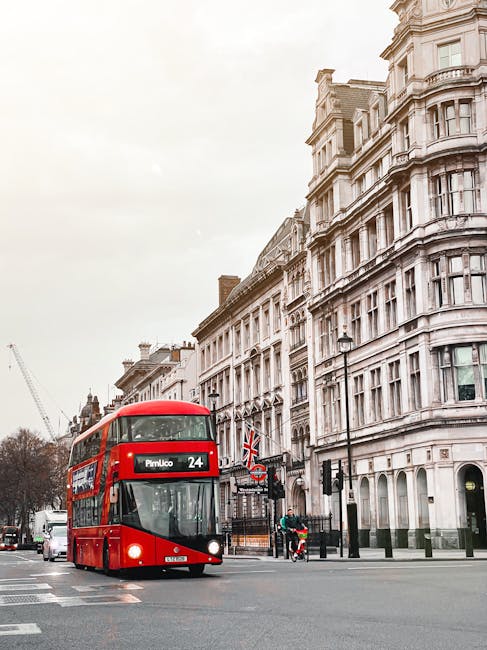
Avoid Westminster Council parking fines during moves: a practical guide for stress-free moving day
Moving house in Westminster can feel like a tight squeeze before you've even lifted a box. Streets are busy, kerb space is precious, and a van stopped for just a few minutes can become a problem fast. If you're trying to avoid Westminster Council parking fines during moves, the good news is that most penalties are preventable with the right planning. A little preparation goes a long way here. Really, it does.
This guide explains how parking enforcement typically affects removals, what tends to trip people up, and how to plan a move that stays tidy, legal, and calm. You'll also find a step-by-step approach, a checklist, and a few realistic examples from the kind of situations people run into in Pimlico, around the station, and on the narrower residential streets where parking is never exactly generous.
Expert summary: the safest way to avoid a fine is to plan your loading space early, check restrictions before move day, keep your van time on-street to the absolute minimum, and build a small buffer into the schedule. If you have awkward access, bulky furniture, or a building with poor lift availability, that buffer matters even more.
Table of Contents
- Why Avoid Westminster Council parking fines during moves Matters
- How Avoid Westminster Council parking fines during moves Works
- Key Benefits and Practical Advantages
- Who This Is For and When It Makes Sense
- Step-by-Step Guidance
- Expert Tips for Better Results
- Common Mistakes to Avoid
- Tools, Resources and Recommendations
- Law, Compliance, Standards, or Best Practice
- Options, Methods, or Comparison Table
- Case Study or Real-World Example
- Practical Checklist
- Conclusion
- Frequently Asked Questions
Why Avoid Westminster Council parking fines during moves Matters
Parking fines during a move are more than an irritating admin problem. They can throw off your schedule, add avoidable cost, and create tension on a day that's already busy enough. One late van, one missed loading bay, one moment of assuming "it'll be fine for ten minutes" - and suddenly you are dealing with a penalty notice instead of unpacking kettle boxes.
In Westminster, that risk is higher than in many parts of London because space is tighter and parking restrictions are often stricter and more actively enforced. For a home move, the rules are not just about where the van can stop. They're also about how long it stays, whether the driver is using a permitted loading area, whether the vehicle blocks access, and whether the timing lines up with local restrictions.
To be fair, most people do not set out to break the rules. They simply underestimate how quickly a move can run over. You might think you need the van for twenty minutes; in real life, it takes longer because the lift is slow, the sofa is awkward, or the neighbour's car is exactly where it shouldn't be. That's why planning matters so much.
If you are arranging a local move and want a smoother setup, it can also help to look at a broader moving plan rather than only the parking side. For example, our removals in Pimlico page explains the wider service approach, while pricing and quotes can help you estimate the cost of doing things properly rather than rushing.
How Avoid Westminster Council parking fines during moves Works
The basic principle is simple: treat parking as part of the move plan, not as something to sort out when the van arrives. In practice, that means understanding the street restrictions, confirming the best loading point, allowing for building access, and making sure the vehicle is positioned legally for the duration of the move.
Most move-day parking problems come from one of these situations:
- the van is left in a restricted bay or on yellow lines without the right allowance
- a loading area is used for longer than is sensible for the restriction in place
- the mover assumes a quiet side street will be fine, but it is not
- the driver stops in a way that blocks traffic or access and attracts attention
- the building access takes longer than expected, pushing the van beyond the planned window
A decent removals team will usually think about these risks before the move begins. If you are weighing up support options, a good place to start is the services overview, especially if your move involves more than just carrying a few boxes down the stairs. For compact moves, a man with a van in Pimlico can be a practical option, while larger households may need something closer to house removals in Pimlico.
One thing people miss: parking rules and access rules are linked. If the lift is out, the front door is on the third floor walk-up, or the furniture has to be carried a long way from the kerb, the van will be on-street longer. That increases the chance of trouble. Not always, but often enough to matter.
Key Benefits and Practical Advantages
Planning to avoid fines is not just about dodging penalties. It improves the whole moving day. Here's what you gain when parking is handled properly:
- Less stress: nobody enjoys watching a driver circle the block while everyone stands in the hallway with a mattress.
- Better timing: a clean parking setup keeps loading and unloading moving at a steady pace.
- Lower overall cost risk: avoiding fines protects your moving budget from surprise add-ons.
- Better building relations: neighbours, porters, and concierges are usually more relaxed when the move looks organised.
- Reduced damage risk: the shorter the carry from van to property, the lower the chance of bumping furniture or scuffing walls.
This is especially helpful if you have anything awkward to move. A piano, a large wardrobe, or a heavy sideboard can turn a short delay into a real headache. In those cases, specialist handling matters as much as parking. If that sounds like your situation, it is worth looking at furniture removals in Pimlico or, for particularly delicate items, piano removals in Pimlico.
There's also a knock-on benefit that people forget: a move that starts well tends to finish well. Once the van is in the right spot, everything feels less rushed. You can breathe a bit. Sounds small, but it changes the day.
Who This Is For and When It Makes Sense
This guidance is for anyone moving into, out of, or within Westminster where street parking is limited and enforcement is a real consideration. It is particularly useful if you are:
- moving from a flat on a busy road
- living near a station, main road, or controlled parking zone
- using a hired van or a removals team for the first time
- moving bulky items with restricted access
- trying to keep costs down and avoid surprise charges
- working to a narrow moving slot because of tenancy handover times
Students often run into this when they move between rented flats, especially if they are carrying boxes down stairs and loading quickly between lectures, work, or travel. For those moves, student removals in Pimlico can be a useful fit. By contrast, small office moves and relocations need more schedule discipline, so office removals in Pimlico may be more appropriate.
If you are moving on the same day you complete, or you have a last-minute issue such as delayed keys, then parking planning becomes even more important. That is where a flexible approach and, sometimes, same-day removals in Pimlico can save the day. Not glamorous, but very useful.
Step-by-Step Guidance
Here is a practical way to reduce the chance of parking trouble.
-
Check the street restrictions early.
Do not leave this until the night before. Confirm whether your road has single yellow lines, double yellows, loading restrictions, resident bays, suspended bays, or limited waiting. Even a "quiet" street can have restrictions that matter on moving day.
-
Work out where the van should stop.
Choose the closest legal loading position, but also a backup. Sometimes the closest spot is already taken, and then you need a plan B without panic.
-
Match the van size to the job.
An oversized vehicle can create more parking difficulty than it solves. A smaller van may be easier to position, especially on narrow Pimlico streets. For that kind of move, you might compare man and van in Pimlico with removal van options in Pimlico.
-
Book the moving time with buffer space.
Give yourself more time than your best-case estimate. A move always takes longer than the tidy version in your head. Always. Especially if you are on a stair-heavy building or dealing with a lift that likes to be dramatic.
-
Prepare everything before the van arrives.
Boxes should be sealed, labels visible, and larger items separated. The less time spent sorting at the kerb, the lower the risk of overstaying a parking window.
-
Assign one person to the parking situation.
Even if that person is just keeping an eye on timing, it helps. Someone needs to know whether the driver is still legal, whether another vehicle is blocking access, and whether the loading period is running long.
-
Keep a backup plan for awkward items.
If a sofa won't fit through the door, or the fridge has to be rotated and carried a long way, the schedule will slip. That is the moment where parking risk tends to creep in.
If you want help narrowing the broader moving choices, the removal services in Pimlico page is a sensible place to compare what's available, while competitive prices may help if you are trying to balance cost with the practical realities of a Westminster move.
Expert Tips for Better Results
These are the little details that usually make the difference.
- Move earlier in the day if possible. Streets are often less congested, and building access tends to be smoother before the day gets busy.
- Use clear contact between all parties. Driver, moving team, tenant, landlord, and building staff should all understand the schedule.
- Keep documentation handy. If there is a loading arrangement, permit note, or building instruction, have it ready rather than buried in email 48 messages deep.
- Measure your furniture properly. A wrong-size item can mean more shuffling, more time on-street, and more exposure to enforcement.
- Ask about access before you commit. Narrow roads, low bridges, timed restrictions, and shared entrances all affect what kind of vehicle makes sense.
In our experience, the best moves are boring in the best possible way. No drama. No one sprinting back and forth. No frantic "just one more trip" that stretches into a parking problem. That's the sweet spot.
For local context, it can also help to understand the type of area you're moving in. Pimlico has its own rhythm, as locals explain in the Pimlico pros and cons from locals article, and if you want a bit of neighbourhood flavour while you plan, the history of Pimlico offers useful context too.
Common Mistakes to Avoid
Most parking fines during moves come from predictable mistakes. The irritating part is that they are usually avoidable.
- Assuming a short stop is harmless. Enforcement does not care that you were "only a minute".
- Ignoring loading bay rules. A loading area is not a free-for-all. It may have time limits or other conditions.
- Forgetting about building delays. Lifts, fobs, tight stairwells, and access codes all add time.
- Leaving parking to the driver alone. The move organiser should also know the plan.
- Booking too little time. Tight schedules lead to rushed loading, blocked access, and mistakes.
- Using the wrong service for the job. A small van may suit a studio flat, while a larger property may need a fuller removals setup.
There is a slightly funny thing about moving day: everyone becomes a part-time expert in parking law after the van arrives. Better to do the homework first, honestly.
Tools, Resources and Recommendations
You do not need a complicated toolkit, but a few practical resources can make the process smoother:
- Street notes: write down the exact place the van should stop, plus a backup location.
- Phone reminders: set alerts for departure, van arrival, and key handover times.
- Boxes and labels: the faster you can load, the less time the vehicle spends on-street.
- Access planning: think through stairs, lifts, door widths, and any need to park slightly further away.
- Insurance awareness: check what protection you have if anything is damaged during the move.
It also helps to choose support that matches the scale of the job. If you need packing help, take a look at packing and boxes in Pimlico. If you need temporary overflow space because your completion and move-in dates do not quite line up, storage in Pimlico can be a practical safety net. That sort of buffer can reduce rushing, which in turn reduces parking mistakes. Simple, but effective.
Law, Compliance, Standards, or Best Practice
For moves in Westminster, the key compliance point is straightforward: park and load only in line with the restrictions that apply to the street, bay, or vehicle stop. The exact rules vary by location and time of day, so you should not rely on habit or guesswork. If a road looks empty, that does not mean it is unrestricted.
Best practice is to treat the move like a small logistics exercise. That means:
- checking local restrictions before the move
- keeping the loading period efficient and well organised
- avoiding unnecessary obstruction
- making sure the driver and mover understand the plan
- choosing the right vehicle size for the street
For removals companies, good practice also includes sensible health and safety planning, clear communication, and handling of items with care. If that matters to you, it is worth reviewing the company's health and safety policy and insurance and safety information. Those pages do not remove parking restrictions, of course, but they do show whether a team takes risk seriously.
And because trust matters, you may also want to check pages such as terms and conditions, privacy policy, and payment and security before booking. A move is already enough of a headache without surprise admin later on.
Options, Methods, or Comparison Table
There is no one-size-fits-all way to handle parking for a move. The right method depends on property type, road access, and how much you are moving.
| Approach | Best for | Advantages | Watch-outs |
|---|---|---|---|
| Small van / man and van | Studios, one-bed flats, lighter loads | Easier to fit on narrow streets; often quicker to position | May need more trips if the load is larger than expected |
| Full removals van | Family homes, larger flats, bulky furniture | More capacity; fewer trips; better for structured moves | Harder to place on busy roads if space is tight |
| Staged move with storage | Delayed completions or split dates | Reduces last-minute pressure and rushed loading | Requires extra coordination and planning |
| Early-morning move | Busy Westminster streets and time-sensitive access | Less traffic, better parking odds, calmer loading | Not always possible for every household or building |
For many people, a smaller vehicle is simply the easiest way to reduce risk in Westminster. But if you have heavy or awkward items, that decision should be weighed carefully. The cheapest-looking option is not always the cheapest once delays, extra trips, or fines enter the picture. Bit of a trap, that.
Case Study or Real-World Example
Here's a realistic example. A couple moving from a Pimlico flat near a busy tube station had everything packed the night before. Sounds ideal, right? Almost. The building lift turned out to be slow and briefly unavailable, and one larger wardrobe needed extra handling. The van had been parked carefully at the start, but the loading time stretched beyond what they'd hoped.
Because the move team had already chosen a sensible parking position, kept all boxes ready, and loaded the awkward items first, they still completed without a ticket. The difference was not luck. It was preparation. They had also compared service options in advance and chosen a vehicle that suited the street, rather than the biggest van they could find.
That kind of planning is especially useful in compact central London streets, including those near transport links and busy landmarks. If you want more local insight, the guides on Pimlico Tube Station moves, timings and access and removals near Tate Britain and Millbank are helpful reads. They show how access, timing, and the local street pattern affect the whole process. Quietly useful, the sort of thing people wish they had read earlier.
Practical Checklist
Use this checklist before move day. It is not fancy, but it works.
- Confirm street parking restrictions for the exact address
- Identify the best legal loading point and a backup spot
- Choose the right vehicle size for the street and load
- Book enough time for parking, loading, and access delays
- Tell everyone involved where the van should stop
- Prepare boxes and large furniture before the van arrives
- Keep keys, access codes, and building contacts ready
- Check whether bulky items need specialist handling
- Make sure travel plans allow for a little slack
- Review company terms, insurance, and payment details before booking
Key takeaway: parking fines during moves are usually a planning problem, not an unavoidable surprise. If you handle the street, the timing, and the loading rhythm properly, you reduce risk dramatically.
If you are still comparing moving support, a good next step is to review removal companies in Pimlico and see which setup matches your property type and access needs. That is often where the real savings come from: the right fit, not the flashiest option.
Get a free quote today and see how much you can save.
Conclusion
To avoid Westminster Council parking fines during moves, you need a plan that respects the street as much as the house itself. That means checking restrictions early, choosing the right vehicle, keeping loading time efficient, and allowing for the little delays that almost always appear. A move in Westminster rarely goes exactly to script, but it can still go well.
If you take one thing from this guide, let it be this: treat parking as part of the move, not an afterthought. That single shift in mindset can save money, reduce stress, and make the whole day feel far more manageable. And honestly, on moving day, manageable is a lovely word.
When you plan it properly, the van comes, the boxes go, the door closes, and the day settles down. That's the kind of finish everyone wants.
Frequently Asked Questions
Do I need permission to park a removals van in Westminster?
It depends on the street, the bay type, and the exact parking restriction in place. Some stops may be allowed for loading, while others may not. Always check the local conditions rather than assuming a van can stop anywhere briefly.
What is the easiest way to avoid a parking fine on moving day?
The easiest approach is to plan the parking spot in advance, choose the right size vehicle, and keep the loading process efficient. If the move is likely to take longer, build in a buffer so the van is not left in a risky position.
Can I use a loading bay for a house move?
Sometimes, yes, but only if the bay and its conditions allow it. Loading bays often have specific time limits or usage rules. It is best to confirm what applies before the move starts.
Is a smaller van better for Westminster streets?
Often it is. Smaller vans can be easier to position on narrow roads and may reduce parking stress. That said, if you have lots of furniture, too small a van can lead to extra trips, which can also cause problems.
What if my move runs over the planned time?
That is one of the main reasons fines happen. The best defence is to allow extra time from the start, keep items ready to load, and avoid last-minute sorting at the door. If delays are likely, say so early and adjust the plan.
Do flats and houses have different parking risks?
Yes. Flats often involve lift delays, stairs, and tighter access, while houses may involve longer carries or more items. The building layout can matter as much as the property type itself.
Should I book a removals company or just hire a van?
It depends on the size and complexity of the move. A hired van may suit a lighter job, but a proper removals team is often the safer choice when access is tight, items are bulky, or timing is limited. You can compare man and van in Pimlico with more structured support if you are unsure.
What should I do if parking outside my property is fully occupied?
Have a backup location in mind nearby. Sometimes the best option is a legal loading spot a little further away, then a shorter carry to the property. It is not ideal, but it is usually better than parking illegally.
Are same-day moves more likely to cause fines?
They can be, simply because same-day moves often happen under time pressure. If you are facing a last-minute move, careful timing and clear communication become even more important. A service like same-day removals in Pimlico can help structure the day better.
What documents or information should I have ready?
Keep the address, move times, access instructions, contact details, and any building notes handy. If there are parking or loading conditions, make sure the driver and organiser both know them clearly.
Can bulky items make parking issues worse?
Absolutely. Larger items take longer to move and often need more careful handling. That means the van may stay on-street for longer, which raises the chance of enforcement problems. For awkward pieces, look at bulky item pickups in Pimlico for a better sense of how those jobs are usually handled.
What is the best overall advice for a first-time mover in Westminster?
Start early, keep the plan simple, and don't treat parking as an afterthought. If you build in buffer time and use the right moving support, the day feels far calmer. Sometimes that is the whole difference between a frazzled scramble and a proper move.
Where can I get help with a move that needs storage, packing, or specialist care?
If you need a fuller moving setup, the most useful next steps are usually packing and boxes in Pimlico, storage in Pimlico, and piano removals in Pimlico for more delicate or bulky items. A well-matched service is often the easiest way to keep parking pressure down too.